
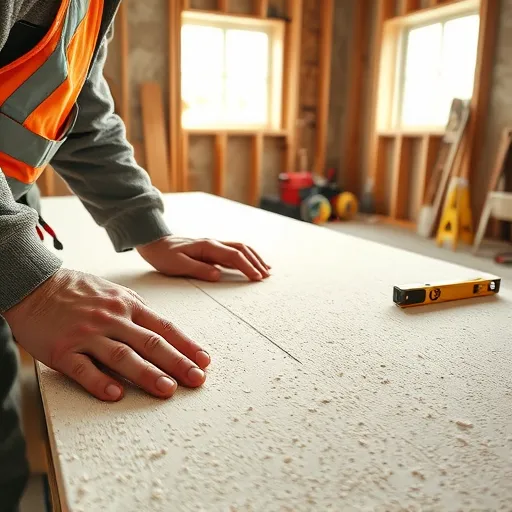
Drywall Installation: Practical Tips for a Seamless Finish
What Is Drywall Installation and Why Is It Important?
Drywall installation is a fundamental part of modern residential and commercial construction. It involves mounting large panels of gypsum board onto the interior framing of a structure to create smooth, finished walls and ceilings. This process not only shapes the visual appeal of a room but also affects insulation, soundproofing, and fire resistance.
Understanding drywall installation is crucial for anyone planning a home renovation, remodeling, or new construction project. A properly executed drywall job results in seamless surfaces ready for painting, wallpapering, or texturing. Conversely, poor drywall work can lead to visible seams, cracks, and an unprofessional finish that detracts from the overall quality of the space.
What Tools and Materials Do You Need for Drywall Installation?
Before beginning a drywall installation project, assembling the right tools and materials is essential to ensure smooth execution and optimal results. The core supplies include:
- Drywall Sheets: Standard gypsum boards typically measuring 4x8 feet, though larger sizes are available for efficiency.
- Drywall Screws or Nails: Designed to secure drywall panels to wood or metal studs firmly.
- Measuring Tape and Utility Knife: To accurately measure and cut drywall sheets.
- T-Square or Drywall Square: Ensures straight cuts and proper alignment.
- Drywall Saw or Jab Saw: Used to cut openings for outlets, switches, and fixtures.
- Power Drill or Screw Gun: To drive screws quickly and precisely.
- Joint Tape and Joint Compound: For covering seams, nails, and screws, providing a smooth finish.
- Putty Knife and Trowel: To apply and smooth joint compound over taped seams.
- Sanding Tools: Such as pole sanders or sanding sponges to refine dried compound surfaces.
Having these tools ready before starting drywall work sets a solid foundation for timely progress and superior quality.
How Do You Prepare Walls for Drywall Installation?
Effective drywall installation begins with thorough preparation of the space. Preparation steps include:
- Inspect Framing: Make sure studs are straight, structurally sound, and spaced correctly (typically 16 or 24 inches apart).
- Check Electrical and Plumbing: Confirm that electrical wiring, outlets, switches, and plumbing systems are properly installed and inspected before covering with drywall.
- Install Insulation: Place insulation inside wall cavities if required for thermal or sound control.
- Mark Stud Locations: Use a pencil or chalk line to mark stud positions on the ceiling or subfloor for easier drywall fastening.
- Remove Obstructions: Clear the workspace of debris, protruding nails, and other obstacles.
Proper preparation reduces the risk of errors and helps ensure the drywall adheres securely and looks flawless once installed.
What Are the Step-by-Step Instructions for Installing Drywall?
Following a detailed and orderly approach to drywall installation helps achieve smooth, ready-to-finish walls. Here are the essential steps:
- Measure and Cut Drywall: Use a T-square and utility knife to cut panels to size, creating openings for electrical boxes using a drywall saw.
- Position Sheets: Starting from an upper corner, lift the drywall panel into place against the framing.
- Secure Panels: Fasten drywall with screws or nails every 12 to 16 inches along studs while ensuring it is flush and level.
- Stagger Seams: When installing additional sheets, stagger vertical seams to improve wall stability.
- Apply Joint Tape: Cover seams between panels with mesh or paper drywall tape to prevent cracking.
- First Coat of Joint Compound: Spread a thin layer of joint compound over taped seams and fastener heads using a putty knife.
- Sand and Repeat: Once dry, lightly sand the surface and apply two more coats of joint compound, feathering the edges for a seamless transition.
- Final Sanding: After the last coat dries, sand to a smooth, even finish, ready for priming and painting.
Patience during taping and finishing determines the quality of the drywall’s final appearance.
What Are Common Drywall Installation Mistakes to Avoid?
A flawless drywall finish depends on avoiding common pitfalls. Homeowners and DIYers often make these mistakes:
- Failing to Check Stud Alignment: Misaligned studs make fastening difficult and lead to uneven surfaces.
- Overdriving Screws: Driving screws too deep compromises panel integrity and causes weak spots.
- Ignoring Seam Staggering: Failing to offset joints creates structural weakness and visible seam lines.
- Skipping Proper Joint Tape Application: Omitting or incorrectly applying tape results in cracks appearing over time.
- Inadequate Sanding: Rough, uneven sanding ruins the smooth finish necessary for professional quality.
- Rushing the Process: Not allowing joint compound to dry fully before sanding or recoating leads to surface imperfections.
By avoiding these errors, you save time and achieve a clean, attractive outcome.
How Does Drywall Installation Fit Into Home Renovations?
Drywall installation is a key component of various home remodeling projects. Whether updating a single room or undertaking a full home renovation, quality drywall work impacts the project’s success. For example, remodeling a kitchen or bathroom often requires new drywall surfaces after electrical, plumbing, or structural changes.
In bathroom remodels, moisture-resistant drywall enhances durability and prevents mold growth. Similarly, in kitchen renovations, drywall provides a clean slate for backsplash installation and cabinetry updates. Altair Residential Renovations offers expert drywall services tailored to complement your entire renovation workflow, ensuring smooth transitions between phases and polished end results.
Explore our bathroom remodeling or kitchen remodeling services to see how drywall installation supports your dream home transformation.
What Are the Advantages of Hiring Professionals for Drywall Installation?
Though some seasoned DIY enthusiasts may attempt drywall installation independently, many benefits come with hiring professional contractors:
- Expertise: Experienced installers anticipate challenges and execute each step precisely.
- Time Savings: Professionals complete projects faster, minimizing disruption in your home.
- High-Quality Finish: Specialists ensure smooth, seamless walls with proper finishing techniques.
- Safety: Trained crews follow safety protocols, especially important in multi-story or complex installations.
- Integrated Services: Hiring a company offering complementary services like electrical services ensures cohesive project management.
Altair Residential Renovations combines knowledge, experience, and quality craftsmanship to deliver top-tier drywall installation along with comprehensive home improvement solutions.
How Can You Maintain Drywall After Installation?
Maintaining drywall properly extends its lifespan and preserves appearance. Essential maintenance tips include:
- Avoid Excess Moisture: Keep rooms well-ventilated and repair leaks promptly to prevent mold and weakening.
- Repair Damage Quickly: Attend to dents, holes, or cracks as soon as they appear using spackling or patch kits.
- Regular Cleaning: Dust walls gently and clean stains with mild soap and water.
- Monitor Structural Shifts: Keep an eye on any house settling or movement that could cause drywall cracks.
Routine upkeep preserves the seamless finish you worked hard to achieve during installation.
Frequently Asked Questions About Drywall Installation
How long does drywall installation usually take?
The time required varies with room size, wall complexity, and finishing detail. A typical single room drywall installation and finishing can take between 3 to 7 days, allowing for drying times between compound coats.
Can drywall be installed over existing walls?
Yes, drywall can often be installed over existing surfaces such as plaster or old drywall, although removal might be preferable to address hidden damage or uneven surfaces.
What type of drywall is best for bathrooms?
Moisture-resistant drywall, often referred to as green board or cement board, is recommended for bathrooms to withstand humidity and reduce mold risk.
Is it necessary to sand drywall seams?
Sanding is essential to smooth joint compound and create an even surface, but it should be done carefully to avoid over-sanding or damaging tape.
How does drywall contribute to soundproofing?
Drywall adds mass that helps block sound transmission. Adding additional layers or specialized soundproof drywall enhances acoustic performance in noisy areas.
What is the best order for drywall installation during home remodeling?
Generally, drywall is installed after all electrical, plumbing, and insulation are complete but before painting or flooring installation, facilitating access and minimizing damage.
Why Choose Altair Residential Renovations for Your Drywall Needs?
At Altair Residential Renovations, we prioritize quality, precision, and customer satisfaction in every drywall installation project. As a trusted partner in interior home improvement, we offer expert guidance from material selection to flawless finishing touches. Our skilled team uses best practices and advanced tools to ensure your walls provide a perfect, ready-to-paint canvas that complements your home’s style and enhances its value.
Contact us today to learn how our professional drywall installation services can fit seamlessly into your next home remodeling or renovation project.